
A Root Canal ThatRelieves the Pain.
- Gentle, microscope-assisted treatment.
- We save the natural tooth.
- Even the cases others gave up on.
- Dawson Academy trained
- Straumann & Neodent implants
- English · Українська · Русский
5,000+ implants placed
The earliest still going strong since 2012.
A root canal is how we save the tooth, not lose it.
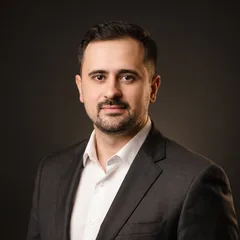
The word scares people, but the procedure is the opposite of what the horror stories say. When the nerve inside a tooth is infected or damaged, the pain you feel comes from that infection. A root canal removes the damaged tissue, cleans and seals the inside of the tooth, and ends the pain. The tooth stays. You keep your own root and your own bite, and with proper care that tooth can last for years. At Slobodian Dental, Dr. Andrii Slobodian performs root canals himself, under magnification, and follows the tooth all the way through to the crown that protects it. Because we are out of network, we take the time your case actually needs and quote the whole number up front, not just the part that sounds cheap. And because Dr. Slobodian also places implants, you get an honest answer that most offices cannot give: sometimes a tooth is worth saving and sometimes it is not, and we will tell you straight which one this is. New patients are welcome, and if another office already told you the tooth has to come out, bring that plan in for a free second opinion.
Everything we do in root canal
Root canal care, from a first-time treatment to rescuing one that failed, all in one place and all with the same doctor. Each one below gets its own page soon.
Each service gets its own page soon. For now, tap any to talk it through at a free consultation.
Why bring a struggling tooth here.
- One doctor, start to finish. The same person who diagnoses the tooth does the root canal, the crown, and the implant if it ever comes to that. No referral out to a stranger, no gaps in who is responsible for your tooth.
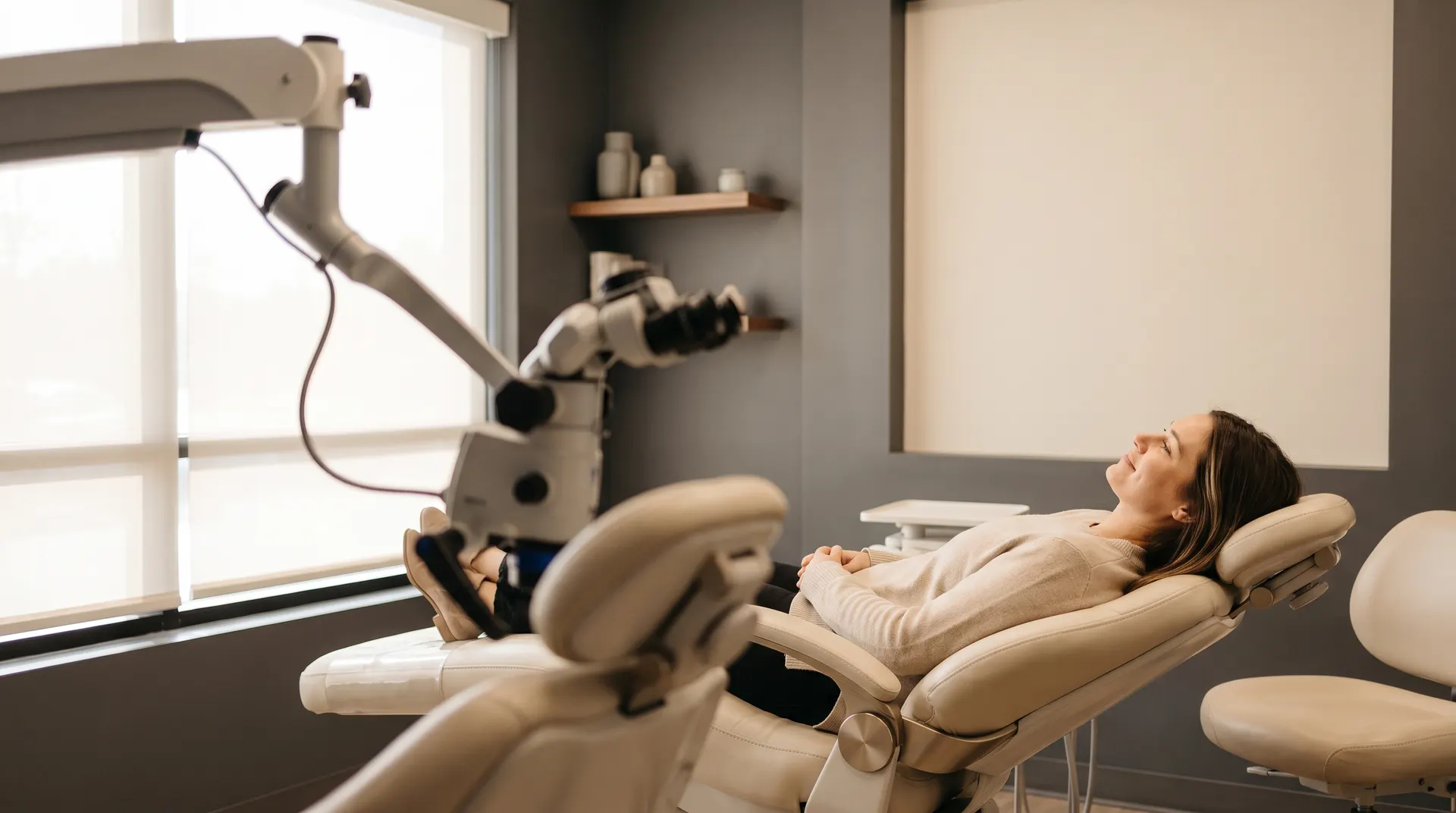
- Specialist-level precision. We treat under a microscope with gentle rotary instruments and the same 3D scanner we use for implants, so we can map the canals before we start.
- A surgeon's hands for the hard cases. Dr. Slobodian trained in oral surgery, so retreatment and apicoectomy, the root-end surgery most offices refer out, are done right here.
- Comfort for people who dread this. Nervous, or away from the dentist for years? We go slow, explain before we do anything, and offer nitrous oxide or an oral sedative if you want it.
- Care in your language. We speak English, Ukrainian, and Russian, and we understand the Eastern European dental history behind old crowns and root canals done decades ago.
Frequently asked questions
Does a root canal hurt?
Not the way the stories say. The pain you feel before treatment comes from the infection inside the tooth, and the root canal is what relieves it. With modern anesthesia you are numb the whole time, and most people say it feels like getting a filling. If you are anxious, we can add nitrous oxide or an oral sedative.
Will you do the root canal yourself, or send me to a specialist?
Dr. Slobodian does it himself, right here, under a microscope, and he does the crown afterward too. You are not sent from office to office. If the tooth ever cannot be saved, he places the implant as well.
How much does a root canal cost without insurance?
It starts at [PRICE root canal from] and depends on the tooth, since a molar has more canals than a front tooth. We also quote the crown that protects the tooth afterward, so you know the whole number up front. Financing through CareCredit and Cherry is available.
Should I just pull the tooth and get an implant instead?
Sometimes, but usually not. Saving your own tooth is almost always cheaper up front and better long term. Because we place implants too, we have no reason to push you toward one you do not need. If the tooth genuinely cannot be saved, we tell you honestly and the same doctor handles the implant.
My old root canal is hurting again. Can it be saved?
Often, yes. An old root canal usually fails because a canal was missed or a seal leaked, and under the microscope we can find what was overlooked and save the tooth with retreatment or a small root-end surgery, before extraction is even considered. Come in for a free second opinion.
Can you see me the same day if I am in a lot of pain?
During office hours, we keep room for same-day emergencies, and a root canal is usually what ends the pain. If we are closed, leave a message or text and we call you back first thing we are open.
Do you offer sedation for a root canal?
Yes, nitrous oxide and oral sedation. We do not use IV or general anesthesia, so you stay awake but relaxed and comfortable, and we explain every step as we go.
Do you use GentleWave?
No, and here is the honest answer: GentleWave is one brand of cleaning system. What actually determines success is finding every canal and sealing it well, which we do with microscope-guided instruments and bioceramic sealing. We focus on the outcome, not one brand of irrigation.
Do you speak Ukrainian or Russian?
Yes. Dr. Slobodian speaks English, Ukrainian, and Russian, and understands the Eastern European dental work many patients bring with them, including root canals done decades ago.
Come in for a visit, or start with a call.
Your first consultation is honest and pressure free.